
Customized Crushing Solution?
Our senior engineers are ready to provide you with tailored configurations and accurate quotes within 24 hours.
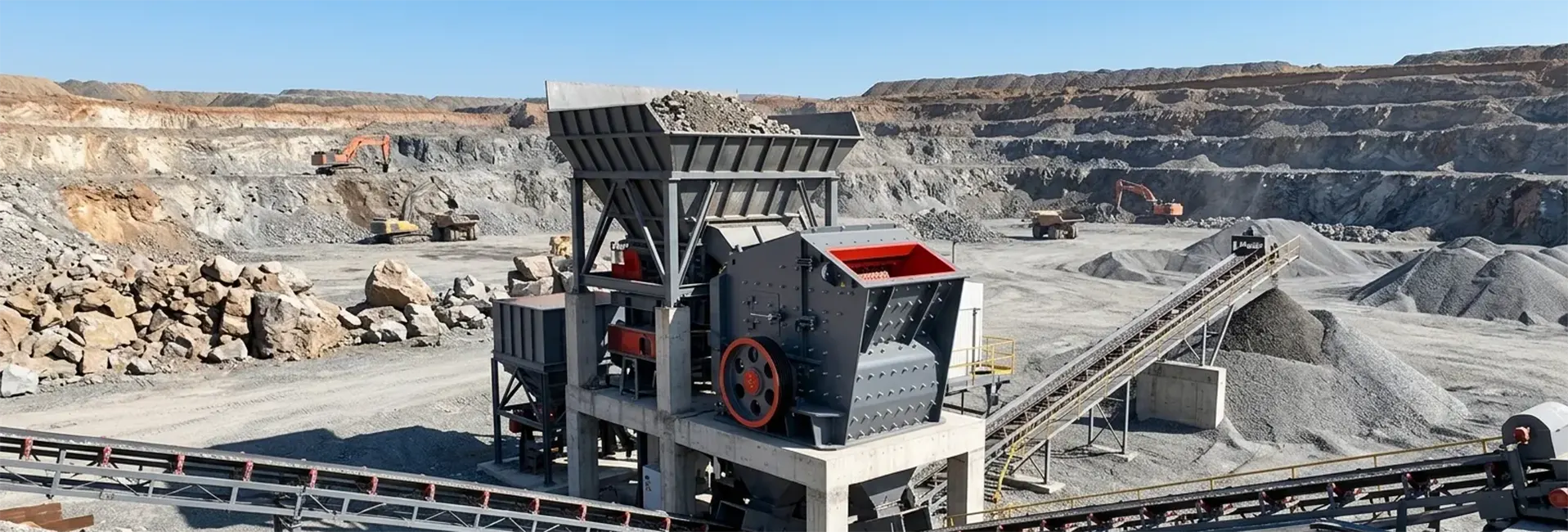
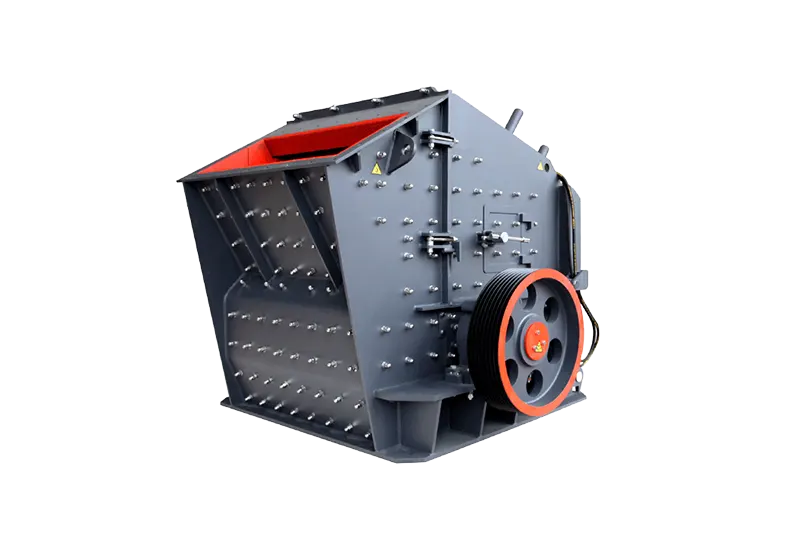
Engineered for metallurgy, mining, and cement sectors, PFW Series impact crushers provide high-efficiency size reduction for soft and medium-hard ores. Available in two-cavity configurations for coarse/medium reduction and three-cavity configurations for fine/ultrafine crushing, this equipment simplifies overall plant process flows. Heavy-duty rotor manufacturing and integral cast steel components ensure highly stable operation during continuous aggregate and manufactured sand production.
Optimized for processing soft and medium-hard materials across various infrastructure and chemical sectors.
Processes river pebbles, granite, and basalt to produce high-quality crushed stone and manufactured sand with excellent cubical shape.
Supplies consistent material gradation required for demanding highway construction and massive water engineering projects.
Handles iron ore and non-metallic minerals, providing reliable coarse and medium crushing stages to optimize downstream milling.
Reduces limestone, feldspar, and dolomite, delivering optimal feed sizes for power plant desulfurization and dry powder mortar facilities.
Rotor assemblies utilize welded steel plates, achieving higher rotational inertia and massive crushing force. Rigorous multi-directional testing guarantees structural integrity under heavy loads.
Bearing housings feature integral cast steel construction, matching crusher frames perfectly. This design increases radial strength and accommodates larger bearings for superior load-bearing capacity.
Crescent profiles alter impact angles, enlarging effective strike areas. Wedge-block axial limit devices secure blow bars; faster rotor speeds generate tighter fixation while simplifying extraction.
Impact plates incorporate constant-pressure spring safety devices. Uncrushable materials force impact racks backward, safely discharging objects before racks return to operational positions, preventing mechanical jamming.
Hydraulic cylinders open hinged frame covers effortlessly. Operators can execute rapid wear part replacements and discharge gradation adjustments, drastically cutting maintenance downtime and manual labor.
Impact rack surfaces utilize wavy geometries. This specific structural profile enhances overall impact resistance and wear characteristics during continuous material bombardment.
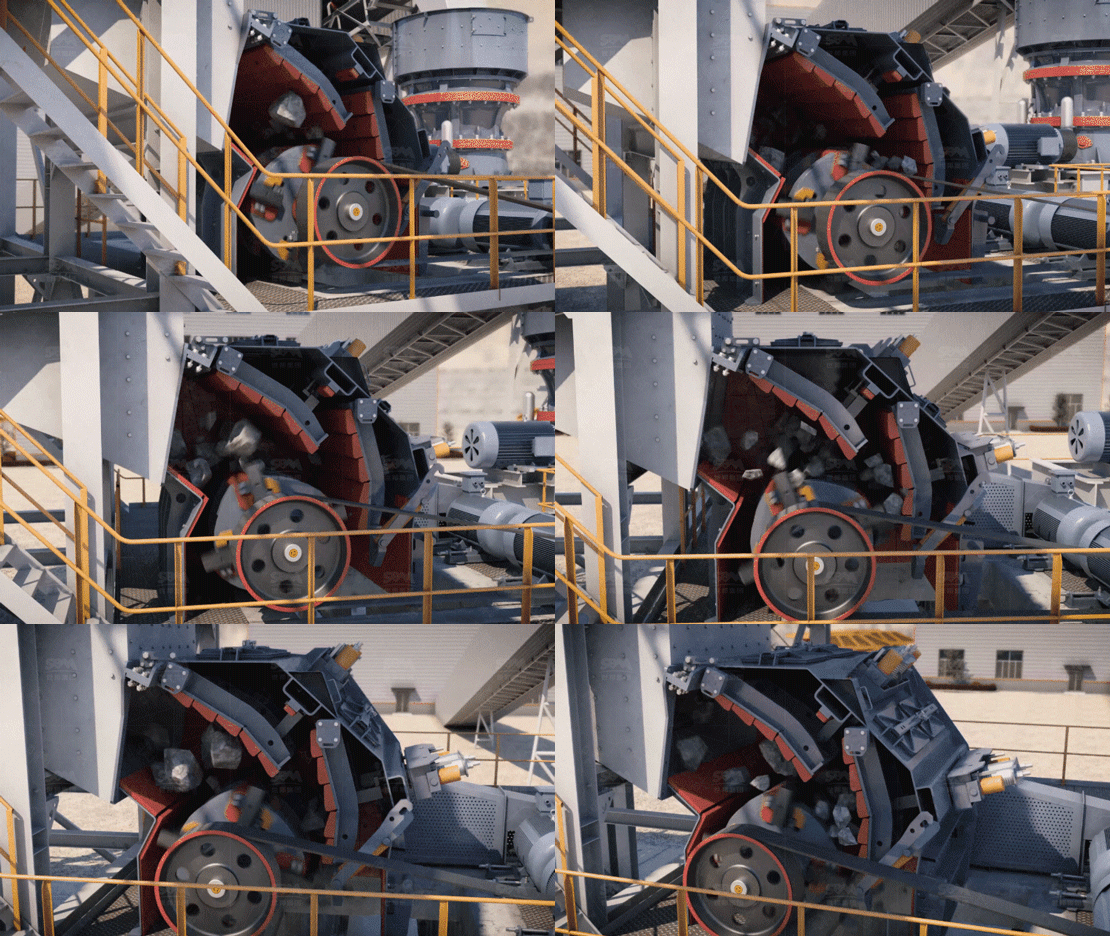
Electric motors spin heavy-duty rotors at high velocities. Raw material drops into blow bar action zones.
Crescent-shaped blow bars strike incoming rock, transferring immense kinetic energy and shattering material instantly.
Fractured rock projects tangentially toward impact devices mounted on upper rotors, sustaining secondary fractures before rebounding into rotor paths.
Continuous striking repeats until rock meets required dimensions. Final aggregate falls through bottom discharge ports. Gap distances between impact racks and rotors dictate final product sizes and shapes.