
Customized Crushing Solution?
Our senior engineers are ready to provide you with tailored configurations and accurate quotes within 24 hours.
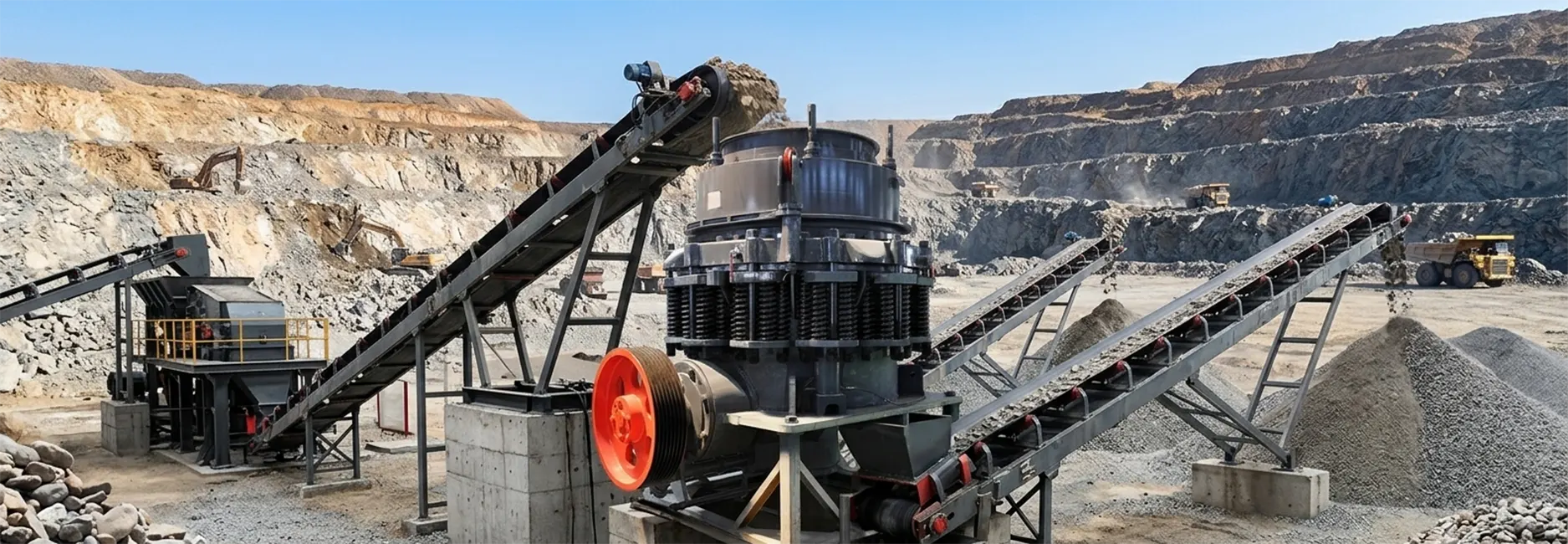
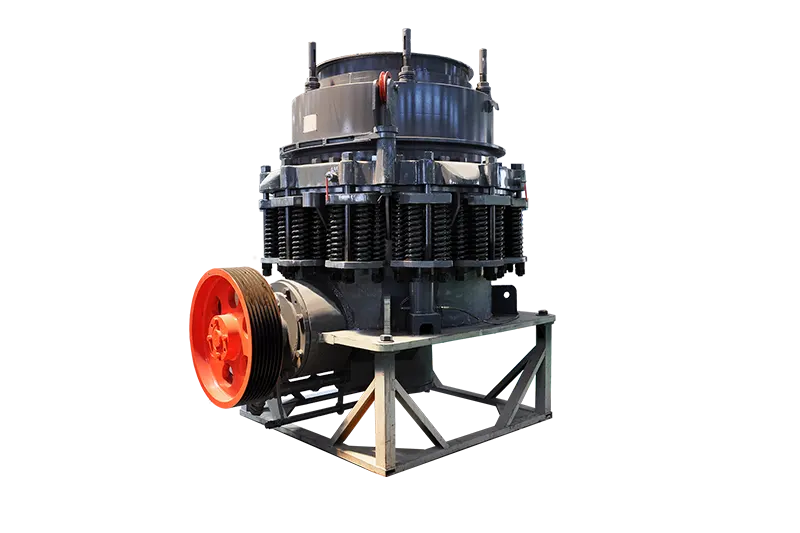
Integrating high swing frequencies, optimized crushing cavities, and rational stroke parameters, CS Series Cone Crushers operate on advanced lamination crushing principles. Designed to achieve "more crushing, less grinding," this modern spring-loaded equipment delivers continuous capacities from 27 to 1400 t/h. Retaining classic reliable structures while incorporating hydraulic clearing technologies, it serves as an optimal upgrade for traditional secondary reduction units in mineral processing facilities.
Engineered for medium and fine size reduction of hard geological materials across rigorous processing sectors.
Processes abrasive river pebbles, granite, and basalt to produce high-quality cubical aggregates required for modern concrete batching plants.
Delivers highly stable secondary crushing performance for iron, copper, and gold ores, optimizing downstream ball mill efficiency.
Handles limestone, dolomite, and quartz sand accurately, supplying critical raw materials for power plant desulfurization and dry powder mortar.
Maintains continuous structural reliability in extreme working environments like coal mining and remote open-pit extraction sites.
Utilizes inter-particle lamination principles to execute material fracture. This mechanism increases overall crushing efficiency, reduces wear on consumables, and generates highly cubical finished aggregates with elevated fine-particle content.
Thin-oil lubrication systems feature dual-pump and dual-filter redundancy. Pre-lubrication occurs before machine startup, ensuring critical moving parts remain fully protected, adapting seamlessly to varying operational loads while extending component lifespan.
High-performance alloy steel springs form an unyielding overload protection barrier. When uncrushable tramp iron enters crushing cavities, springs compress to enlarge discharge settings, safely passing foreign objects without damaging internal mechanics.
In cases of abnormal shutdowns under load, hydraulic clearing systems activate. Hydraulic cylinders lift upper assemblies, expanding gaps between moving and stationary cones to rapidly evacuate trapped rock, saving immense maintenance time.
Available in both Standard and Short-Head models. Each frame accommodates various cavity profiles, allowing operators to execute precision medium or fine crushing tasks across varying rock hardness levels.
Integrated electro-cooling lubrication stations permit automated control protocols. Operators can adjust discharge openings and execute cavity clearing procedures effortlessly, simplifying daily maintenance routines.
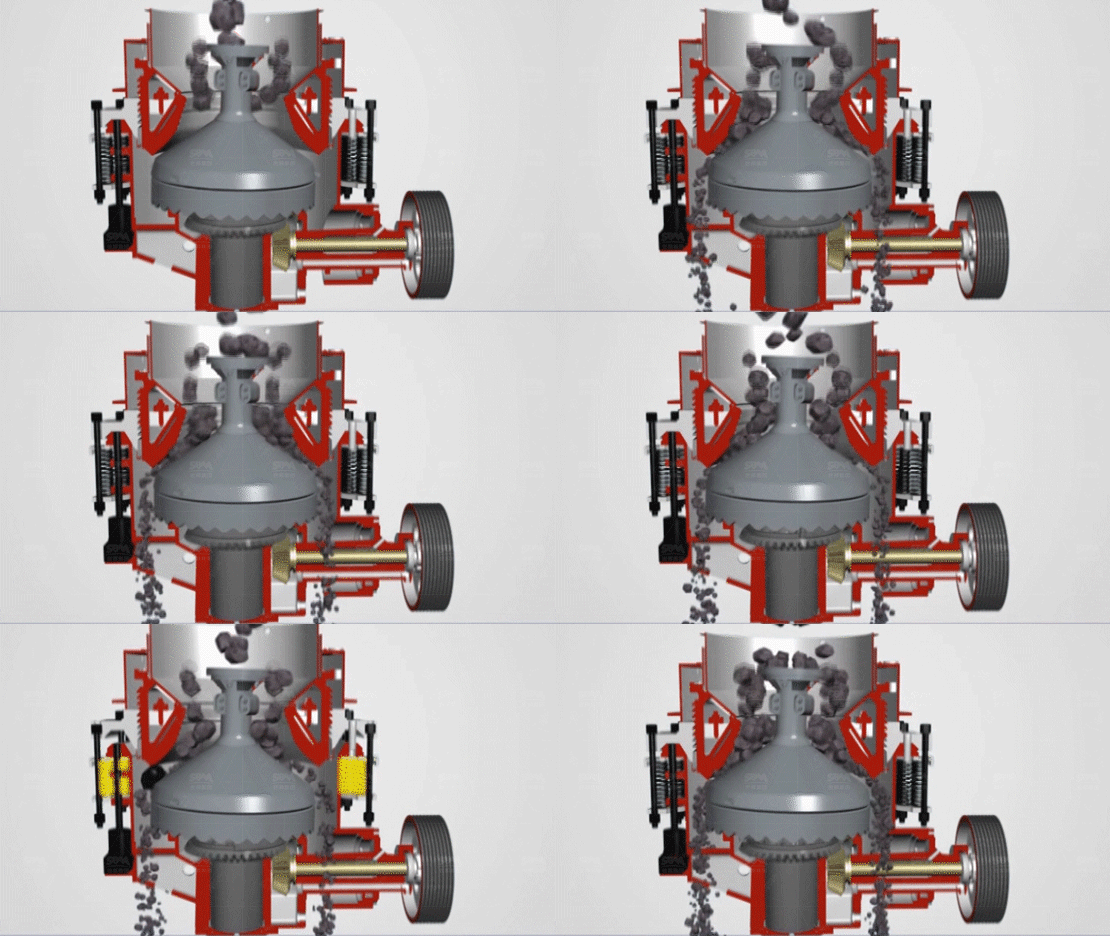
Electric motors transmit torque through V-belts and large pulleys to drive horizontal transmission shafts. Small bevel gears drive large bevel gears, causing eccentric sleeves to rotate.
Driven by rotating eccentric sleeves, main spindles perform continuous rotational pendulum movements. This kinetic action forces moving cones into dynamic oscillation.
Moving cone mantles alternately approach and retreat from stationary bowl liners. Raw rock trapped within annular crushing cavities undergoes severe multidirectional impact, compression, and bending forces.
After undergoing multiple fracture cycles, fragmented materials reach target dimensions. Gravity pulls sized aggregates downward, discharging continuously through lower annular openings.